
Zero‑Tariff Fuels Tanzania‑China Farm Exports(August 28)
Tanzania Targets Zero-Tariff Window to Boost Agricultural Exports to China
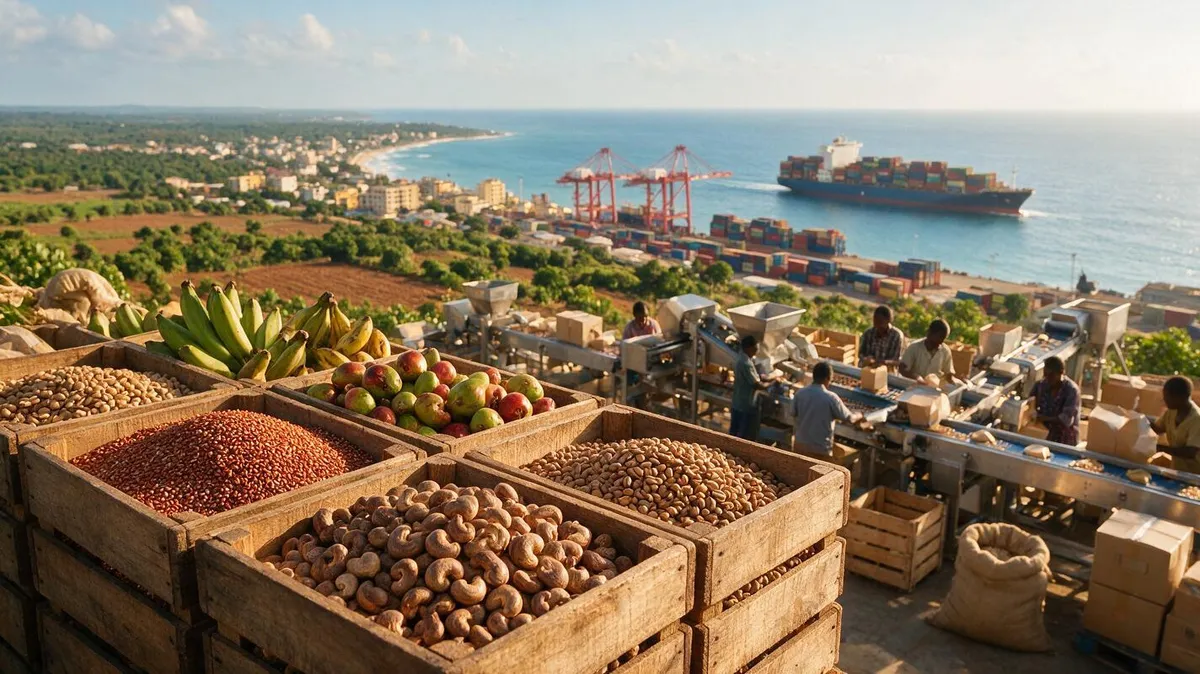
According to Tanzania's Daily News, the Tanzanian government is finalizing a two-year trade strategy to fully leverage China's zero-tariff policy for African countries that have diplomatic relations with China. The goal is to promote exports of high-value-added agricultural products before the zero-tariff window closes in April 2028. Cashews, sesame, sunflower seeds, avocados, coffee, tea, dried cassava, and fresh chili peppers have been identified as key categories poised to benefit from this opportunity.
The strategy aims to convert China's tariff preferences into supply contracts by expanding domestic processing capacity, upgrading packaging facilities, and establishing direct matchmaking channels between Tanzanian suppliers and Chinese importers. Tanzanian enterprises have already begun improving production, processing, quality, and packaging to meet Chinese market demands.
Statistics from the General Administration of Customs show that in the two months of May and June following the implementation of the zero-tariff measure, China's total imports from Africa reached 193.8 billion yuan, a year-on-year increase of 23.5%. Imports of avocados, apples, oranges, and grapefruit grew by 1.3 times, 89.6%, 27.9%, and 11.9% respectively. In the first half of this year, the total volume of China-Africa import and export commodities reached a record 1.41 trillion yuan.
The Tanzanian government's policy priorities will focus on investing in processing plants, modernizing packaging, building brands, and investing in cold chain infrastructure, particularly for products requiring special storage conditions. The relevant measures aim to address constraints in quality, standards, certificates of origin, and the capacity for consistent, commercially scaled supply.
The government is also developing a business matchmaking system that will directly connect Tanzanian suppliers with Chinese buyers, striving to translate tariff preferences into sales contracts and higher export revenues.
Meanwhile, competition from other African exporting nations means Tanzanian enterprises must enhance their quality and competitiveness to capture a larger market share. The strategy therefore aims to drive Tanzania's exports from primary commodities toward processed and branded products, elevating export value while generating investment demand in agriculture, manufacturing, logistics, and cold chain services.