
Vietnam Tilapia Enters Japanese Sashimi Market(Sep 17)
Vietnamese Tilapia Enters the Japanese Sashimi Market
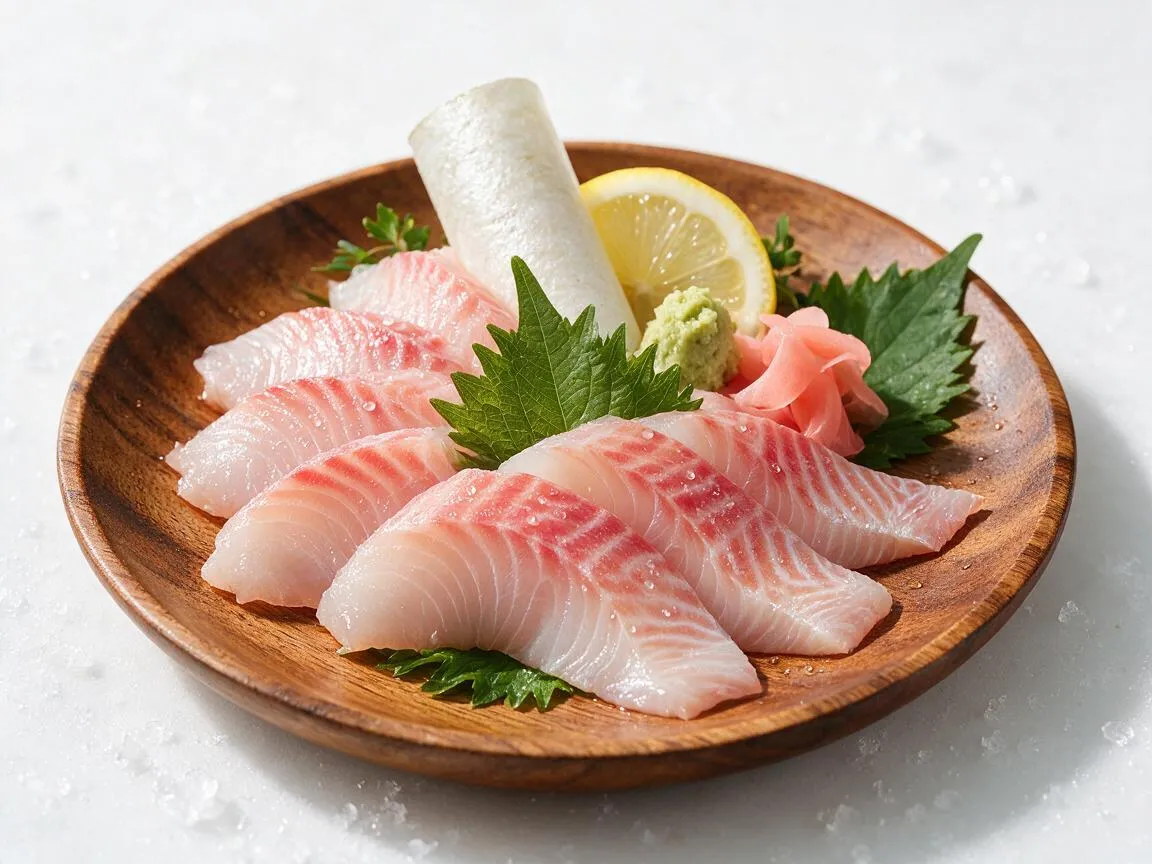
In early 2026, Vietnam Clean Seafood Corporation began supplying tilapia fillets to Japan for raw consumption, sushi, and sashimi. Following initial trial orders, products have been exported steadily to Japan since February. The company reports that current Japanese market demand has already exceeded its supply capacity.
These tilapia come from brackish water aquaculture zones in the Mekong Delta. To meet Japanese buyers' requirements for raw fish products in terms of quality, farming environment, and traceability, the company adopted specialized farming and processing methods.
Farming Cycle Extended from 4 Months to 8-9 Months
Tilapia destined for the conventional frozen fillet market typically reaches commercial size in 4-5 months. However, for the Japanese sashimi market, the farming cycle has been extended to approximately 8-9 months, with individual fish requiring a minimum market weight of about 1.7 kilograms.
A longer farming cycle means the company must implement stricter management of water quality, feed, and fish health. For raw consumption products, the texture and flavor requirements of the fish meat are significantly higher than for standard processed products. In particular, off-flavors caused by the farming environment directly affect whether the product is suitable for the sashimi market.
The company currently manages approximately 300 hectares of aquaculture area, of which about 40 hectares are dedicated to monosex tilapia farming. Unlike traditional freshwater tilapia, these fish are raised in brackish water zones along the Mekong Delta coast, where some aquaculture facilities were previously primarily used for shrimp production.
The company aims to leverage this farming environment to improve flesh firmness and clean flavor, while utilizing existing coastal aquaculture infrastructure to enable production conversion between shrimp and tilapia farming.
Japanese Buyers Inspect Farms Before Deciding to Purchase
Entering the sashimi market requires more than just adding a processing step for tilapia. Japanese buyers exercise strict control over farming conditions, fish quality, and product traceability. The company must test samples from different ponds and only arrange harvest after confirming that requirements are met.
Post-harvest transport speed is equally important. Tilapia that meet market criteria are rapidly loaded into oxygenated transport tanks and sent to the processing plant, minimizing the time from pond to processing to maintain maximum freshness.
This model differs significantly from traditional tilapia frozen fillet production, which emphasizes scale farming and processing efficiency. Sashimi products impose higher demands on the farming process itself, with quality control effectively beginning at the pond level.
300-Hectare Farm Introduces Automated Management
To improve production stability, the company is increasing technology investment in the farming stage. Some ponds now use standardized aeration systems, with automated water quality monitoring and automatic feeding equipment under testing. The company is also developing microbial products for water treatment and experimenting with pond lining and shrimp-tilapia rotational farming models.
These measures aim not simply to increase stocking density, but to make water quality, feeding, and production processes more controllable, thereby reducing farming risks and providing more stable raw material in terms of specifications and quality for export markets.
The company plans to partner with surrounding farmers to expand raw material supply after standardizing the farming process, advancing toward an integrated model of feed, farming, processing, and export.
Tilapia Seeks Markets Beyond Commodity Fish
According to VASEP data, Vietnamese tilapia exports continued to grow in 2026, with companies seeking new sales opportunities in high-value markets such as the United States and Japan. The Japanese market remains dominated by frozen fillet products, but processed tilapia products developed for specific consumption scenarios have opened new market space.
For the Mekong Delta coastal aquaculture zone, this model offers a new production approach: some shrimp ponds and existing aquaculture facilities can be repurposed for tilapia production through standardized conversion, maintaining aquaculture infrastructure utilization while diversifying product offerings.