
Russian Wild Salmon Catch Nears Season End at Record Low(Sep 22)
Russian Wild Salmon Catch Nears Season End at Record Low
Source: shijieshipin.com | September 20, 2026
URL: https://www.shijieshipin.com/news/show-271162.html
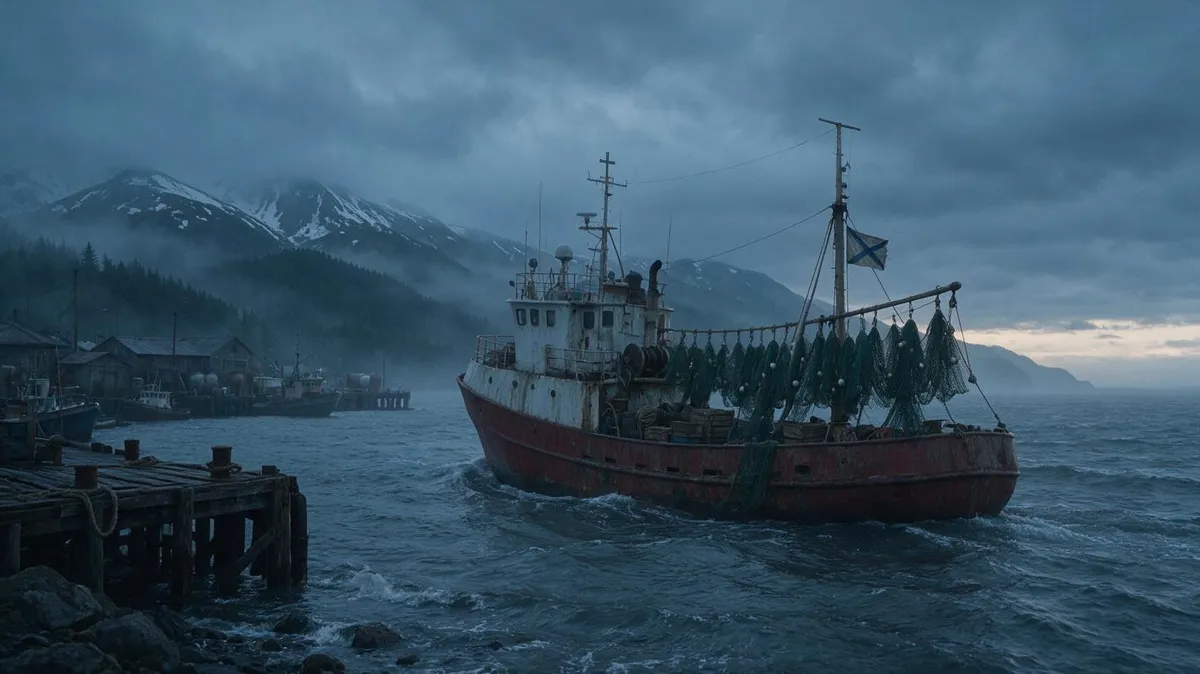
Russia's 2026 Pacific salmon fishing season in the Far East is nearing completion, but this year's catch is significantly lower than in previous years. According to Russian industry data as of September 13, the cumulative Pacific salmon catch in the Far East region was approximately 96,000 tonnes, of which the Kamchatka Peninsula accounted for about 55,000 tonnes. With major production areas one after another ending their operations, the low wild salmon supply for this year has been essentially confirmed.
Kamchatka Krai is one of the largest Pacific salmon producing regions in the Russian Far East, but this year's fishing performance has been notably weak. The local industrial fishing season officially ended on September 12, with a cumulative catch of approximately 55,000 tonnes, including about 20,600 tonnes of pink salmon, 17,800 tonnes of sockeye salmon, and about 14,000 tonnes of chum salmon. Notably, the pink salmon catch on the west coast of Kamchatka was only slightly over 1,400 tonnes, with the majority of production coming from the east coast.
Other Far East regions also saw limited catches. As of September 13, Khabarovsk Krai recorded a cumulative catch of about 24,000 tonnes, including approximately 12,000 tonnes of pink salmon and 11,500 tonnes of chum salmon; Sakhalin Oblast about 11,000 tonnes, including roughly 6,800 tonnes of pink salmon and 3,700 tonnes of chum salmon. Magadan Oblast recorded about 3,900 tonnes, Primorsky Krai slightly over 1,000 tonnes, and the Chukotka Autonomous Okrug only about 320 tonnes.
The low production did not emerge only in September. After the Russian Far East salmon season entered August, the cumulative catch had been consistently and significantly behind previous years. On August 16, the cumulative Pacific salmon catch in the Far East was about 80,900 tonnes, with Kamchatka at about 51,000 tonnes; by the end of August, the cumulative catch reached approximately 89,000 tonnes. On September 6, this figure increased to about 92,000 tonnes, and only by September 13 did it reach approximately 96,000 tonnes.
Compared with the same period in 2025, the gap is especially pronounced. On September 14, 2025, the cumulative Pacific salmon catch in Russia's Far East had already reached approximately 326,800 tonnes, with Kamchatka Krai alone at about 258,000 tonnes. As of September 13, 2026, the figure was only about 96,000 tonnes, representing a massive gap in catch volume between the two years.
Looking at species composition, the performance of different salmon species in the Far East also varied this year. Kamchatka's catch is currently dominated by pink salmon, sockeye salmon, and chum salmon, with cumulative sockeye catch of about 17,800 tonnes, making it the region's second-largest species. Khabarovsk's catch is primarily composed of pink salmon and chum salmon. Due to the low total catch this year, the volume of wild raw material available to Russian salmon processing companies has also been directly affected.
The low catch will also affect the supply structure of Russian salmon products. Pacific salmon enters not only the Russian domestic fresh and frozen fish market but also serves as an important raw material for fish roe, canned products, and other processed goods. In particular, sockeye and chum salmon, beyond the whole-fish and frozen-fish markets, fish roe is also a significant product in the traditional Russian consumer market, meaning that changes at the raw material level are not limited to whole-fish supply.
Russian authorities had made multiple adjustments to this year's salmon resource outlook. As actual fishing progress continued to lag, the Far East fisheries authorities and research institutions continuously tracked the movement of fish schools into estuaries and nearshore waters across major production areas. This year, differences in resource distribution among regions became more pronounced, with some traditional key production areas not forming the large concentrated fish schools seen in previous years.
As of September 13, the Far East Pacific salmon fishing season has entered its final phase, with Kamchatka's industrial fishing officially concluded and operations in some other areas also entering their last stages. For the Russian domestic market, the immediate challenge this year is reduced wild salmon raw material; for the international market, attention needs to focus on whether exports of Russian frozen salmon, fish roe, and processed products will subsequently be affected.
The core change in this year's Far East salmon season has shifted from "slow fishing progress" to "low production essentially confirmed." The cumulative catch of approximately 96,000 tonnes as of September 13, compared with the same period last year's level of over 320,000 tonnes, represents a very significant supply gap. With major production areas ending operations, the market will increasingly move into the inventory digestion and processed-product supply phase.