
Brazil Soy Records Highs on Chinese Demand(Sep 3)
Brazil Soybean Production and Exports Expected to Hit Record Highs; Chinese Demand Remains Key Pillar
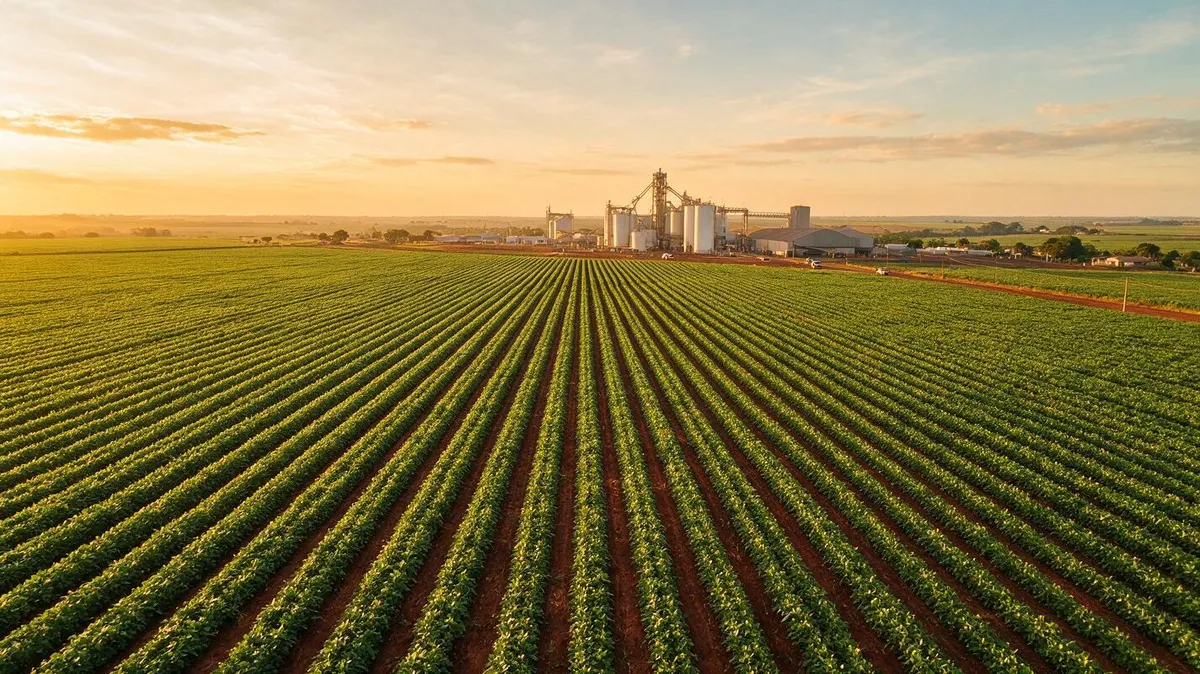
A recent report by RaboResearch, the market intelligence arm of Rabobank, predicts that Brazil's soybean production and exports for the 2025/2026 season are both expected to reach all-time highs. Despite declining planting margins, the strong competitiveness of Brazilian soybeans and robust global demand will continue to support the industry's development.
Chinese Demand Remains the Main Pillar of the Brazilian Soybean Market
According to a report by the Brazilian website "portaldoagronegocio" on August 31, the report projects that Brazil's soybean production for the 2025/26 season will reach 182 million tons, a historic high, maintaining its global leading position. Soybean exports are expected to reach 114 million tons, also poised to set a new historical record.
International demand, especially from China, remains the primary pillar of the Brazilian soybean market. With ample supply and strong competitiveness of Brazilian soybeans, China continues to shift the majority of its soybean procurement to Brazil. Additionally, a potential decline in Chinese demand for U.S. soybeans would further benefit Brazilian soybean exporters.
Recent rises in international oil prices have enhanced the competitiveness of biofuels and strengthened the appeal of soybean oil, helping to offset some of the impact from the delayed implementation of the B16 plan and keeping soybean crush margins at relatively favorable levels. The B16 plan refers to Brazil's mandate to raise the mandatory biodiesel blend ratio in retail diesel to 16%.
Soybean oil processing is of strategic importance to Brazil's soybean processing industry, as it adds value to soybeans and helps support farm-gate soybean purchase prices.
2026/2027 Season Production Expected to Decline
For the 2026/27 season, RaboResearch projects Brazil's soybean production at 178 million tons, a decrease of 4 million tons from the 2025/26 forecast but still at a high level. Final production will still be influenced by weather conditions, credit policies, input costs, and producer investment decisions.
The report notes that El Nino could become one of the major risks for soybean production in the upcoming season. In Mato Grosso, the soybean fallow period ends on September 6, after which planting can begin in areas with adequate soil moisture. However, El Nino may cause abnormal rainfall, potentially delaying planting and affecting the scheduling of subsequent second-crop corn and cotton.
Furthermore, price volatility in fertilizers and other agricultural inputs remains a challenge for Brazil's soybean industry in the 2026/2027 season, and tightening credit policies will also squeeze industry profit margins.
Under rising production costs and stricter financing conditions, producers may adjust their agricultural technology investments, delay purchases, or reduce spending on field management.
Therefore, despite continued strong international demand, Brazil's soybean planting area is expected to remain stable in the 2026/27 season.