
VC Product Introduction

CN
CN Supplier
9 YRS
9 YRS

Basic Information
- Chemical Nature: Riboflavin is a yellow, crystalline compound with the chemical formula C17H20N4O6. It is heat-stable but sensitive to light, especially ultraviolet light, which can decompose it and reduce its biological activity.
- Source: It is widely present in various foods. Rich sources include animal products (such as milk, eggs, liver, and lean meat) and plant-based foods (like green leafy vegetables, legumes, and whole grains).
Physiological Functions
-
Energy Metabolism SupportRiboflavin acts as a precursor of two important coenzymes: flavin mononucleotide (FMN) and flavin adenine dinucleotide (FAD). These coenzymes participate in the metabolism of carbohydrates, fats, and proteins, helping to convert nutrients into usable energy for cells.
-
Maintenance of Mucous Membranes and Skin HealthIt contributes to the integrity of the mucous membranes of the mouth, eyes, and respiratory tract. Adequate intake of vitamin B2 can prevent inflammation such as angular cheilitis, glossitis, and conjunctivitis. It also supports the health of the skin and helps in wound healing.
-
Antioxidant EffectAs a component of FAD, riboflavin participates in the activity of glutathione reductase, an enzyme that maintains the level of reduced glutathione in the body. This helps to neutralize free radicals and reduce oxidative damage to cells.
Deficiency and Toxicity
- Deficiency Symptoms: Long-term insufficient intake may lead to symptoms such as cracked lips, sore tongue, eye fatigue, photophobia, and skin rashes. Severe deficiency can also affect the normal function of the nervous system and hematopoietic system.
- Toxicity: Vitamin B2 has a low toxicity risk because excess amounts are readily excreted in urine, which may cause urine to turn bright yellow—a harmless side effect. No serious adverse effects have been reported with high-dose oral intake.
Recommended Intake
The recommended dietary allowance (RDA) varies by age, gender, and physiological status. For example, adult males typically need about 1.3 mg per day, while adult females need about 1.1 mg per day. Pregnant and lactating women require higher amounts to meet the needs of themselves and their babies.
Basic Information
| Company Name | Luliang Baijia Yikang Biotechnology Co., Ltd. | Country/Region | China |
| Business Type | Retailer | Company Size | 12 |
| Established | June 14, 2018 | ||
| Address | Damogu Area, Luliang County Industrial Park, Qujing City, Yunnan Province | ||
| Main Products | 许可项目:饲料添加剂生产;土壤与肥料复混加工;肥料销售;生物有机肥研发;复合微生物肥料研发;技术服务、技术开发、技术咨询、技术交流、技术转让、技术推广;饲料原料销售。 | ||
Company Introduction
Licensed Items: Production of feed additives; Production of fertilizers; Production of feeds. (Projects subject to approval in accordance with law can only be carried out upon approval by the relevant authorities. The specific business items shall be based on the approval documents or licenses issued by the relevant authorities.)
General Items: Sales of feed additives; R&D of biological feeds; Compound processing of soil and fertilizers; Sales of fertilizers; R&D of bio-organic fertilizers; R&D of compound microbial fertilizers; Technical services, technical development, technical consulting, technical exchange, technology transfer, and technical promotion; Sales of feed raw materials.
Send Inquiry
US$ 50
1000 Boxes
(MOQ)
Vitamin B2 (Riboflavin) is one of the essential water-soluble B vitamins that play a vital role in maintaining human health.
Shipping Cost:
Communicate and confirm with suppliers
Payment Terms:
L/C,T/T,Others
Related Products
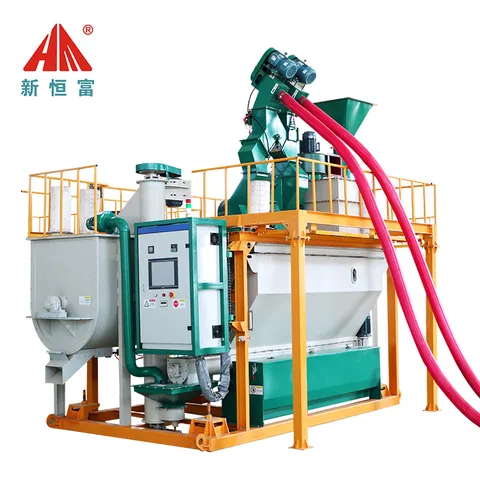
Fully automatic integrated powder processing unit with a production capacity of 3-5 tons per hour
Negotiable
1
Piece
(MOQ)

VC Product Introduction
US$ 200.00
100
Box
(MOQ)
Weijia Biotechnology Jiadanele Conditioning Agent for Laying Hens During Egg Production Period
Negotiable
1
Box
(MOQ)
Introduction: Rumen Treasure
Negotiable
1
Kg
(MOQ)
Duoliduo 200 Layer Chicken Feed for Strong Eggshells and Healthy Egg Production
Negotiable
1000
Bag
(MOQ)
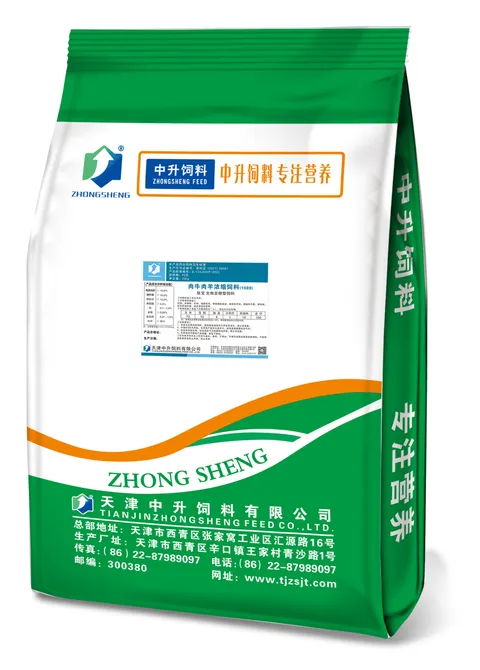
ZhongSheng-Functional Product-PeptideBoost-25kg
Negotiable
1
Piece
(MOQ)
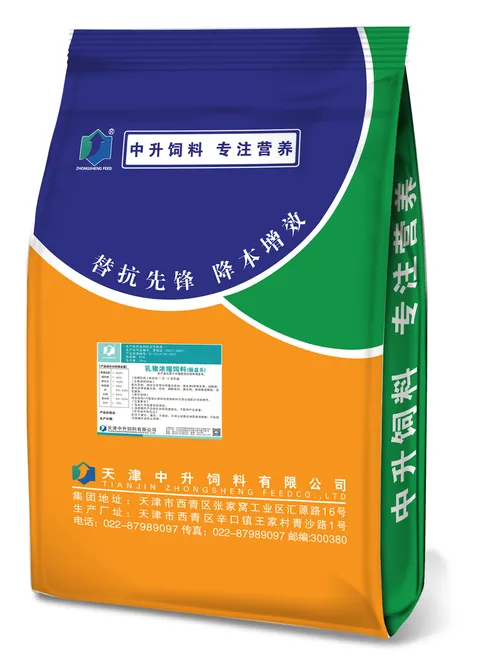
(Functional Product) GutWell
Negotiable
1
Piece
(MOQ)
4% Gestating Sow Premix for Enhanced Reproductive Health & Embryo Survival
Negotiable
1000
Bag
(MOQ)
4% Lactating Sow Premix for Optimal Milk Production
Negotiable
1000
Bag
(MOQ)
High-quality fresh flower mushrooms, a special product of Suizhou.
Negotiable
1
Box
(MOQ)