Ganshen Kang


The liver is the largest gland in poultry, playing a vital role in metabolism, bile production, detoxification, blood coagulation, immunity, and heat generation. It can be described as a massive "chemical factory" within the bird's body. As the largest gland, impaired liver function primarily manifests in the following harms:
-
Growth Impairment: The liver is involved in protein synthesis. Liver damage disrupts protein synthesis, leading to slow development of various tissues and organs (such as viscera and muscles). Reduced synthesis of enzymes, especially digestive enzymes, lowers the digestion and conversion rate of feed.
-
Reduced Immune Function: Approximately 85% of antibodies in poultry need to be synthesized in the liver. Liver damage decreases antibody production, affects vaccine efficacy, and makes birds more susceptible to invasion by various pathogenic microorganisms.
-
Skin and Tissue Hemorrhage: The liver acts as a major reservoir, holding about one-third of the body's total blood volume, and also plays a role in coagulation. Liver damage reduces the synthesis of clotting factors, disrupting the balance between coagulation and anticoagulation. This often leads to skin and tissue hemorrhage, serous fluid effusion, such as ascites and intestinal mucosal bleeding.
-
Cumulative Toxicity: The liver is the most important detoxification organ. When impaired, its detoxification capacity declines. Metabolic waste, toxins, and drug breakdown products cannot be fully degraded into low-toxic or non-toxic residues, accumulating in the body and causing autointoxication or drug poisoning.
-
Poor Drug Efficacy: Liver damage affects the conversion of glycogen. The body lacks sufficient energy to resist diseases. The burden on the liver increases, blood oxygen becomes insufficient, and it cannot normally synthesize or replenish necessary proteins and enzymes. This makes secondary infections more likely and results in poorer recovery prognosis.
The kidneys are excretory organs in chickens, primarily responsible for eliminating waste products and maintaining water-electrolyte balance. They also participate in acid-base balance and blood pressure regulation. Poor kidney function in chickens leads to the accumulation of waste products, abnormal urine composition, and consequently affects the overall health status of the birds.
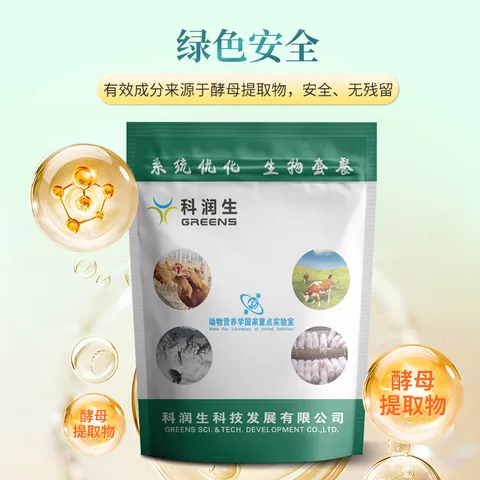
♥ Ganshen Kang ♥
Net Content: 1000g per bag
Therapeutic Dosage: Mix 1000g with 1000 jin of feed.
Preventive / Health Maintenance Dosage: Mix 1000g with 2000 jin of feed.
| Company Name | Hebei Mutang Trading Co., Ltd. | Country/Region | China |
| Business Type | Retailer | Company Size | 2 |
| Established | February 26, 2016 | ||
| Address | No. 326, Dongjing Huating Farmers' Market, 462 Zhaiying Street, Yuhua District, Shijiazhuang City, Hebei Province | ||
| Main Products | Sales of veterinary drug preparations, veterinary raw materials, feed and feed additives, livestock supplies, and packaging materials; technical consultation for poultry and livestock breeding; import and export business of various commodities and technologies (excluding items restricted or prohibited by the state); sales of pet supplies and medical devices; maintenance of medical devices; animal diagnosis and treatment (operated under license). | ||
Hebei Mutang Trading Co., Ltd. was established on February 26, 2016, with its registered address at No. 462 Zhaiying Street, Yuhua District, Shijiazhuang City, Hebei Province, specifically at Unit 326, Dongjing Huating Agricultural Market. The legal representative is Li Weiyong. The company's business scope includes the sales of veterinary drug preparations, veterinary raw materials, feed and feed additives, livestock supplies, and packaging materials; technical consultation for poultry and livestock breeding; self-operated and agent import and export of various commodities and technologies (excluding items restricted or prohibited by the state); sales of pet supplies and medical devices; maintenance of medical devices; animal diagnosis and treatment (operated under license). (The above business scope excludes pre-approval items and matters prohibited or restricted by the government) (Projects subject to legal approval may only be carried out after approval by relevant authorities).
Send Inquiry

![free-range free-range eggs [Freshly picked and quickly sent] Fresh farm eggs, free-range eggs, authentic free-range eggs, and native free-range eggs. 10 new eggs per pack [each 40-45g] Approximately](https://img.lldd-global.com/upload/20260421/8ca79ba4e284a7b3b45749554d6ab28a_480.webp "free-range free-range eggs [Freshly picked and quickly sent] Fresh farm eggs, free-range eggs, authentic free-range eggs, and native free-range eggs. 10 new eggs per pack [each 40-45g] Approximately")