
US Senator Introduces Bill to Raise Ecuadorian Shrimp Tariffs to 40% by 2029(Oct 8)
US Senator Introduces Bill to Raise Ecuadorian Shrimp Tariffs to 40% by 2029
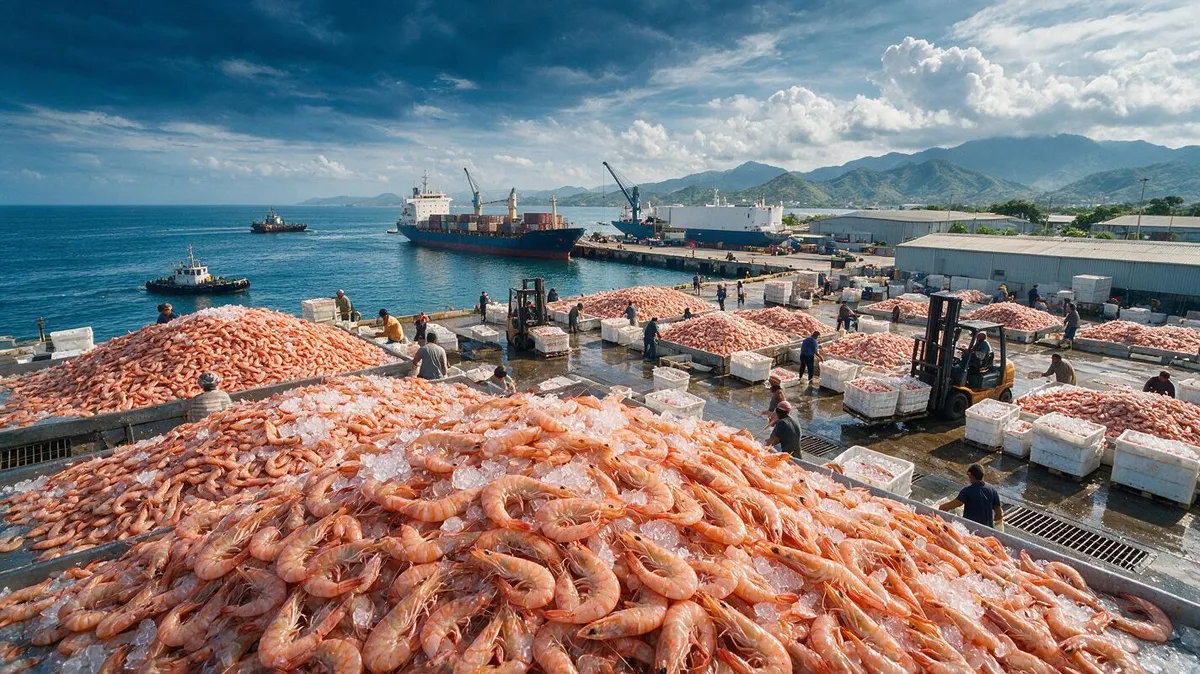
S. 5613: A New Legislative Proposal
On September 30, 2026, US Senator Cindy Hyde-Smith (Republican, Mississippi) introduced the "Ecuadorian Shrimp Tariff Act" (S. 5613) in the Senate, proposing to raise import tariffs on certain Ecuadorian shrimp and prepared shrimp products. If the bill is ultimately passed, the tariff rates on covered products would increase in phases starting from 2027, reaching 40% on January 1, 2029.
This is not a newly effective tariff but rather a legislative proposal just submitted for Congressional consideration. S. 5613 was introduced to the Senate on September 30, passed two readings on the same day, and was referred to the Finance Committee. It has not yet entered the voting stage, and there is no companion bill in the House of Representatives.
Scope and Mechanism of the Proposed Tariffs
The bill targets specific shrimp and prepared shrimp products. According to information released by the senator's office, tariffs on covered products would be raised in phases, reaching a 40% general rate by 2029. The bill also proposes an additional fee of USD 0.10 per kilogram on imported shrimp within the covered scope, with the revenue used to strengthen inspection of imported shrimp and catfish.
Country-of-origin labeling is another important component. The proposal would expand the coverage of the US Department of Agriculture's existing country-of-origin labeling rules to include whole cooked shrimp, whole cooked crawfish, and certain cooked shrimp and crawfish products under stricter origin identification requirements. The bill also requires the US Trade Representative's office to adjust US tariff commitments under the General Agreement on Tariffs and Trade (GATT) to accommodate the new tariff arrangements.
Ecuador's Surging Market Share in the US
The direct context for this legislation is Ecuador's rapid expansion of market share in the US warmwater shrimp market. According to US-published data, in the first six months of 2026, the US imported approximately 849 million pounds of shrimp, of which about 316 million pounds came from Ecuador. Ecuador has surpassed India to become the largest supplier of frozen warmwater shrimp to the US, accounting for over 40% of US imports.
According to another dataset compiled from US customs trade data, in the first seven months of 2026, cumulative US shrimp imports reached approximately 463,700 metric tons, of which Ecuador supplied about 171,900 metric tons, a 31% year-on-year increase. While the two datasets cover different time ranges, both indicate that Ecuador's shipment volume to the US market is at a high level.
Existing Tariff Environment and Industry Pressure
The tariff environment has already changed. A July 2026 action document from the US Trade Representative's office shows that Section 301 additional tariffs on Ecuadorian goods took effect on July 24, at a rate of 10%. Therefore, if S. 5613 is ultimately implemented, its proposed rates would need to be calculated in conjunction with the existing US tariff system and specific product Harmonized System codes. It cannot be simply understood as a current 40% tariff increase.
The US Gulf Coast shrimp industry has raised multiple policy demands regarding competitive pressure from imported shrimp. Hyde-Smith stated when introducing the bill that Ecuadorian shrimp import growth is depressing prices for US shrimp fishermen. The Southern Shrimp Alliance has also publicly supported S. 5613, linking Ecuadorian import volume growth to pressure on the domestic shrimp fishing industry.
Multiple Legislative Tracks Targeting Imported Shrimp
S. 5613 is not the only measure the US has recently taken targeting imported shrimp. Hyde-Smith previously introduced the "Save Our Shrimpers Act" (S. 4805) in June 2026, seeking to restrict US government funding from supporting international financial institutions that provide financing for foreign shrimp farming, processing, and export projects. She had also previously pushed for tariff legislation targeting Indian shrimp.
For Ecuadorian exporters, the policy variables facing the US market have expanded from a single tariff adjustment to multiple areas including tariffs, inspection, and country-of-origin labeling. Ecuador has not only increased whole shrimp exports but is also expanding production of headless, shellless, and prepared shrimp products. The product scope covered by the US bill will directly affect export arrangements for different processing specifications. S. 5613 remains at the Senate Finance Committee review stage and has not yet become US law. The next steps -- whether it gains co-sponsors, enters committee review and voting -- will determine whether the 40% maximum tariff proposal continues to advance. Until then, the 10% Section 301 additional tariff effective July 24, 2026, remains the existing policy condition for Ecuadorian shrimp entering the US market.
-
US Senator Introduces Bill to Raise Ecuadorian Shrimp Tariffs to 40% by 2029(Oct 8)5176
-
China Approves Four New Brazilian Meat Processing Plants for Export(Oct 8)5777
-
Q3 2026 Egg Market Quarterly Report(Sep 30)9694
-
Honduras Targets 100+ Shrimp Containers for China(Sep 30)8870
-
Salmonella Detected in Romanian Export of Frozen Chicken Legs(Sep 30)6993